
Space Technology
Program
Learn from Space Engineers Behind Modern Space Missions
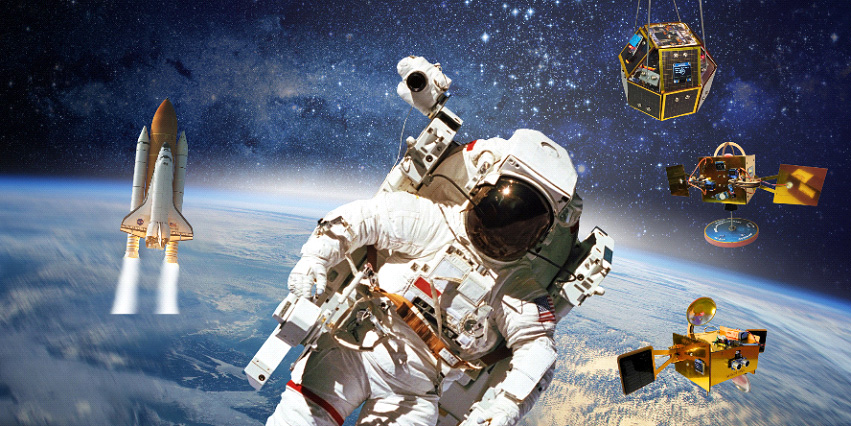
Why Learn Space Technology?
Space technology is changing the way we communicate, navigate, study the Earth, and explore the universe. Satellites support weather forecasting, GPS navigation, environmental monitoring, disaster management, and many of the technologies we use every day.
Learning how satellites are designed and operated introduces students to engineering, electronics, programming, and problem-solving. It also provides an excellent foundation for students interested in aerospace engineering, robotics, computer science, and other STEM careers.
Program Overview
The Space Technology Program at iStart Valley is a hands-on STEM program designed for middle and high school students who want to explore satellite technology and space engineering through practical learning.
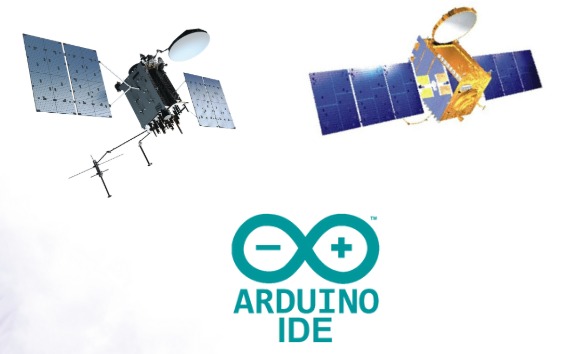
Students will design, build, and test three different satellite models while learning about satellite electronics, communication systems, sensors, power systems, and programming using Arduino Nano and industry-standard components.
In addition to technical skills, students gain insight into space missions, emerging careers, and educational pathways in the growing global space industry.
Learning Outcomes
By the end of the program, students will be able to:
- ✔ Understand the fundamentals of satellite technology.
- ✔ Build and test working satellite models.
- ✔ Learn Arduino programming and basic electronics.
- ✔ Explore communication, navigation, and Earth observation satellites.
- ✔ Understand how sensors and onboard systems work.
- ✔ Develop engineering design and problem-solving skills.
- ✔ Gain practical experience through project-based learning.
- ✔ Learn about career opportunities in the space industry.
Who Should Enroll?
This program is suitable for:
- ✔ Middle school students in Grades 7 and 8 with an interest in STEM.
- ✔ High school students in Grades 9 through 12.
- ✔ Students interested in space exploration, engineering, robotics, or electronics.
- ✔ Students who enjoy building, experimenting, and solving technical challenges.
Space Technology Curriculum
The program combines engineering concepts with hands-on satellite projects.
- • Electronic components & Sensors
- • Communication modules & Power systems
- • Payload integration & Troubleshooting techniques
- • Build an Earth observation satellite model
- • Learn about remote sensing and environmental data
- • Integrate cameras and sensors
- • Build a communication satellite
- • Understand satellite communication principles
- • Assemble a movable satellite dish
- • Build a navigation satellite model
- • Learn GPS fundamentals & precision timing
- • Explore navigation technologies
Students apply their learning by designing creative satellite solutions while working within real-world engineering constraints.
- ✔ 12 live online sessions with space industry experts.
- ✔ Three satellite kits shipped to their home.
- ✔ Arduino Nano, sensors, electronic components, and power modules.
- ✔ Hands-on experience building three satellite models.
- ✔ Mentoring and guidance beyond the program.
- ✔ Insights into college programs and careers in space technology.
Program Schedule & Fees
The program includes live online instruction, guided project work, and hands-on learning using the satellite kits provided.
Fee Includes: Three satellite kits, shipping within the registration package, twelve live online sessions, and mentoring and coaching beyond the program.
Meet the Instructors
Learn from experienced space engineers and industry professionals who have contributed to modern space missions. Students receive practical guidance while learning how satellites are designed, built, tested, and operated.
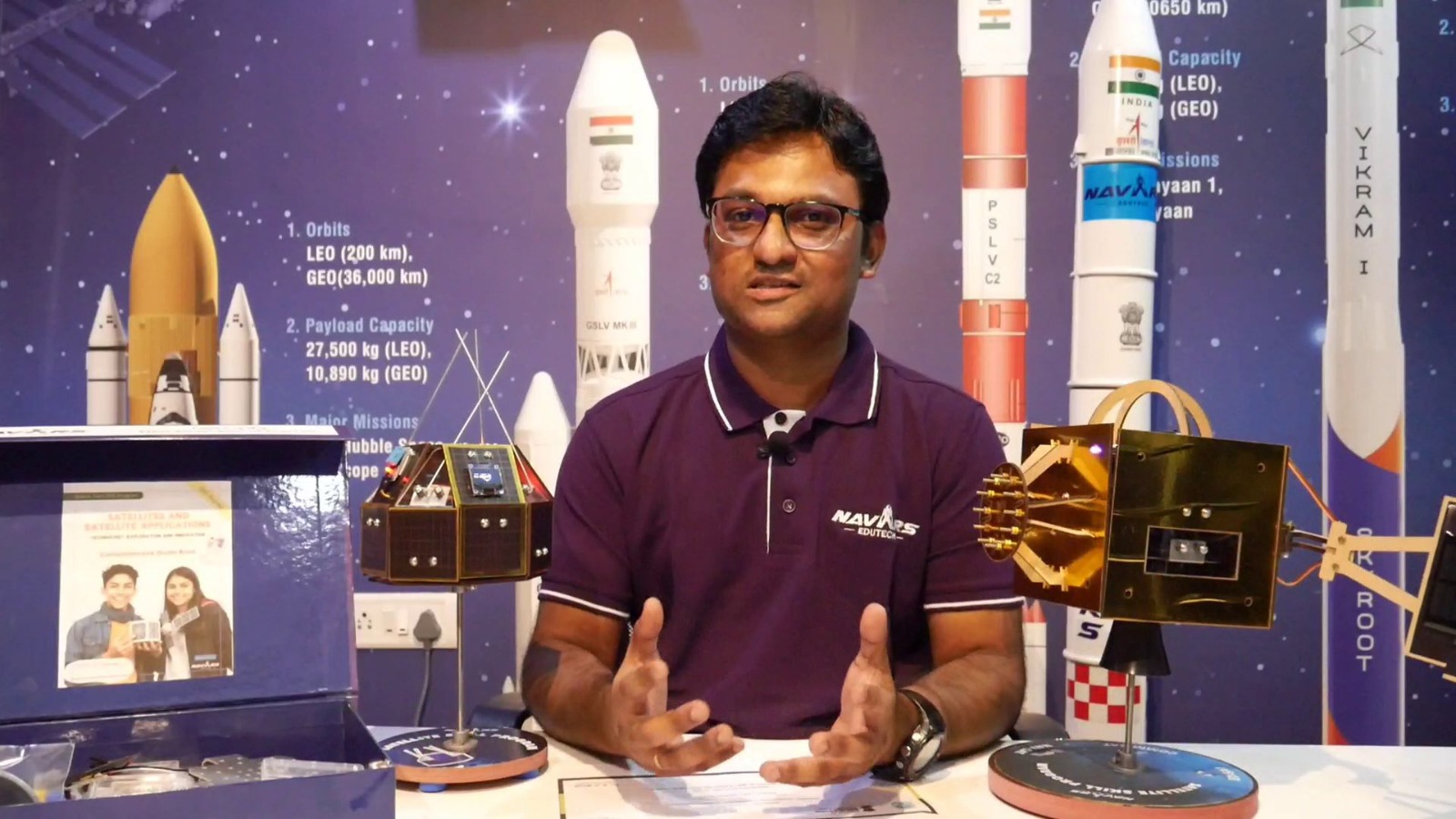
Praveen Suryavanshi
- ✔ 10+ years in Astronomy & Space science education
- ✔ Certified Amateur Astronomer & Science Communicator
- ✔ Earned "The Open Science Practitioner (TOPS)" Badge by NASA
- ✔ STEM Curriculum Strategist – Space & Technology
- ✔ Science Communicator for Nat-Geo India during Chandrayaan-2 Mission
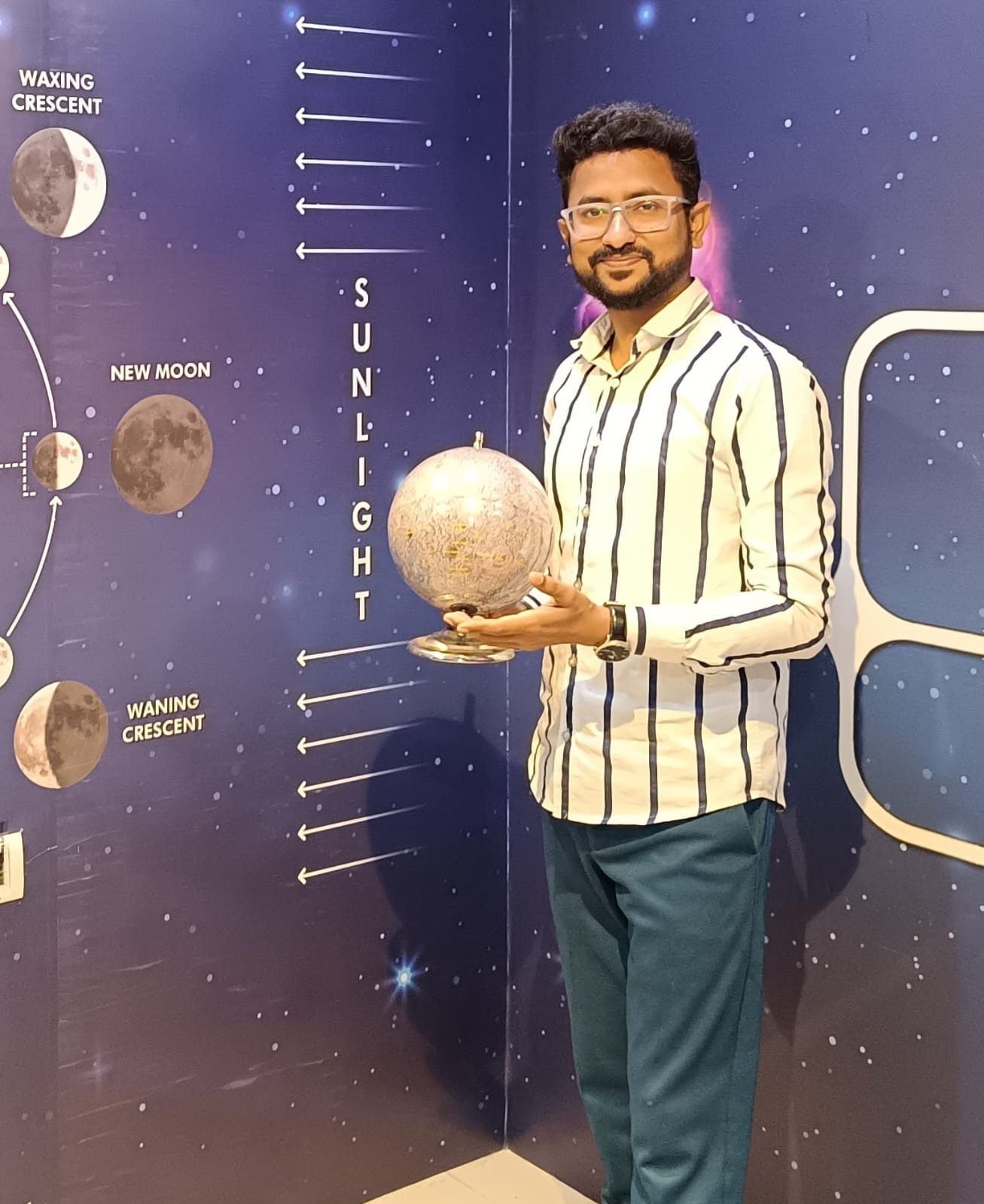
Ashish Kumar
- ✔ 9+ years of experience in Astronomy and Space Science communication
- ✔ Educated 100,000+ students in Astronomy through interactive learning
- ✔ Expert in telescopes, observatory operations, and public engagement
- ✔ Collaborated with the Gujarat Govt to establish India’s first Astronomy Museum
- ✔ Led the development of India’s largest public observatory
- ✔ Specialist in STEM-based program development for Astro-tech and Astro-tourism
Check out the Videos from Previous Participants